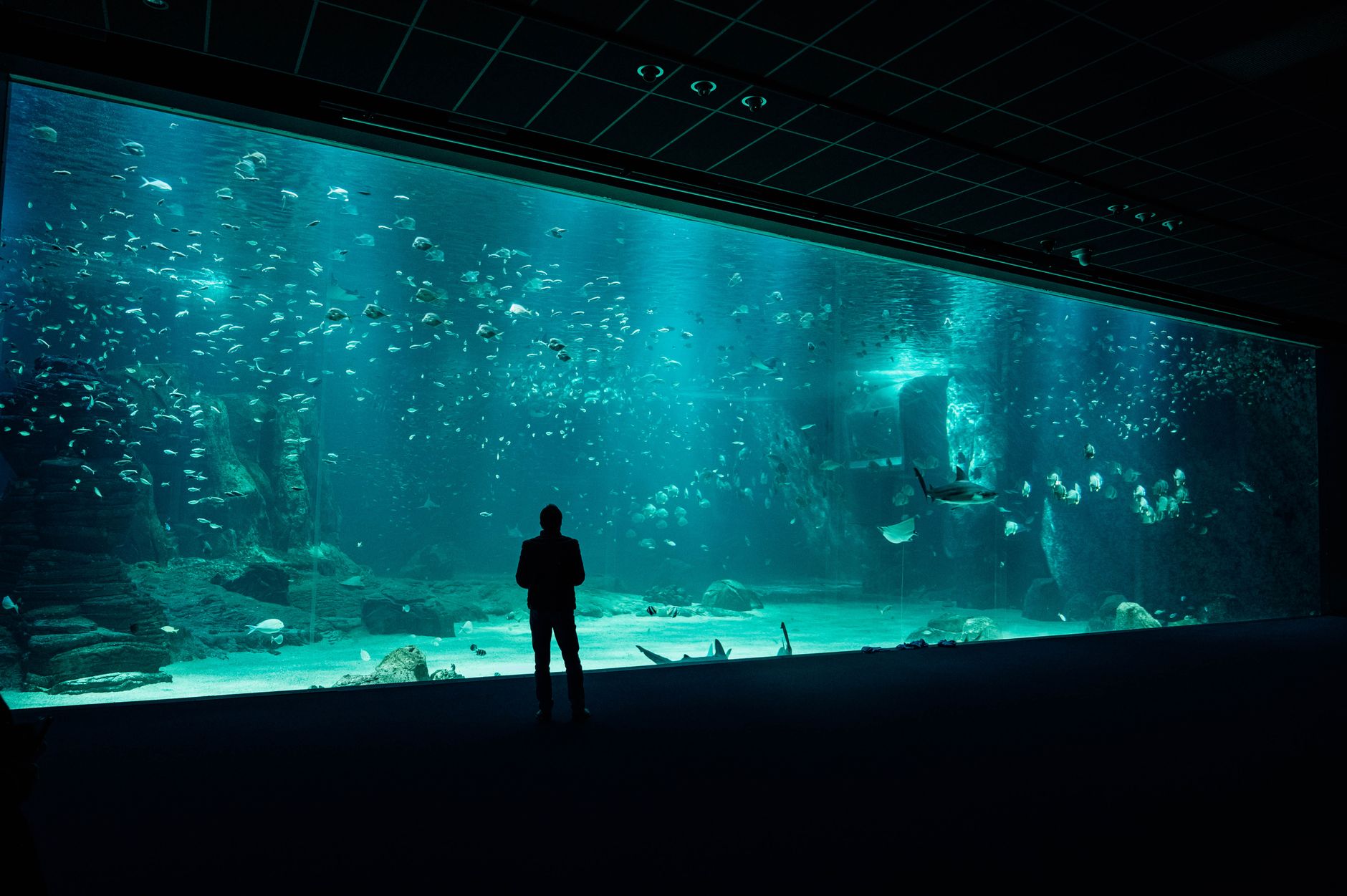
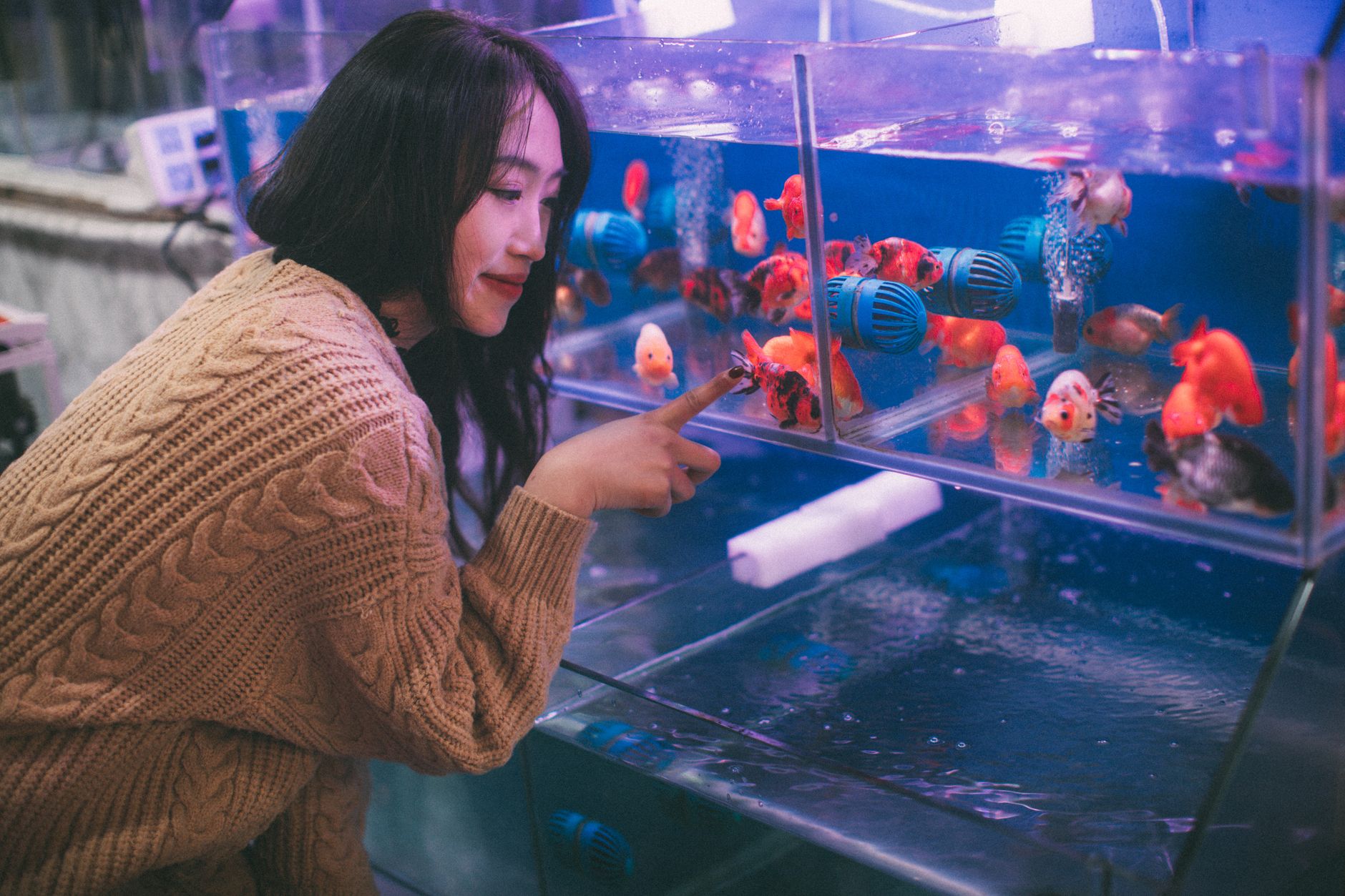
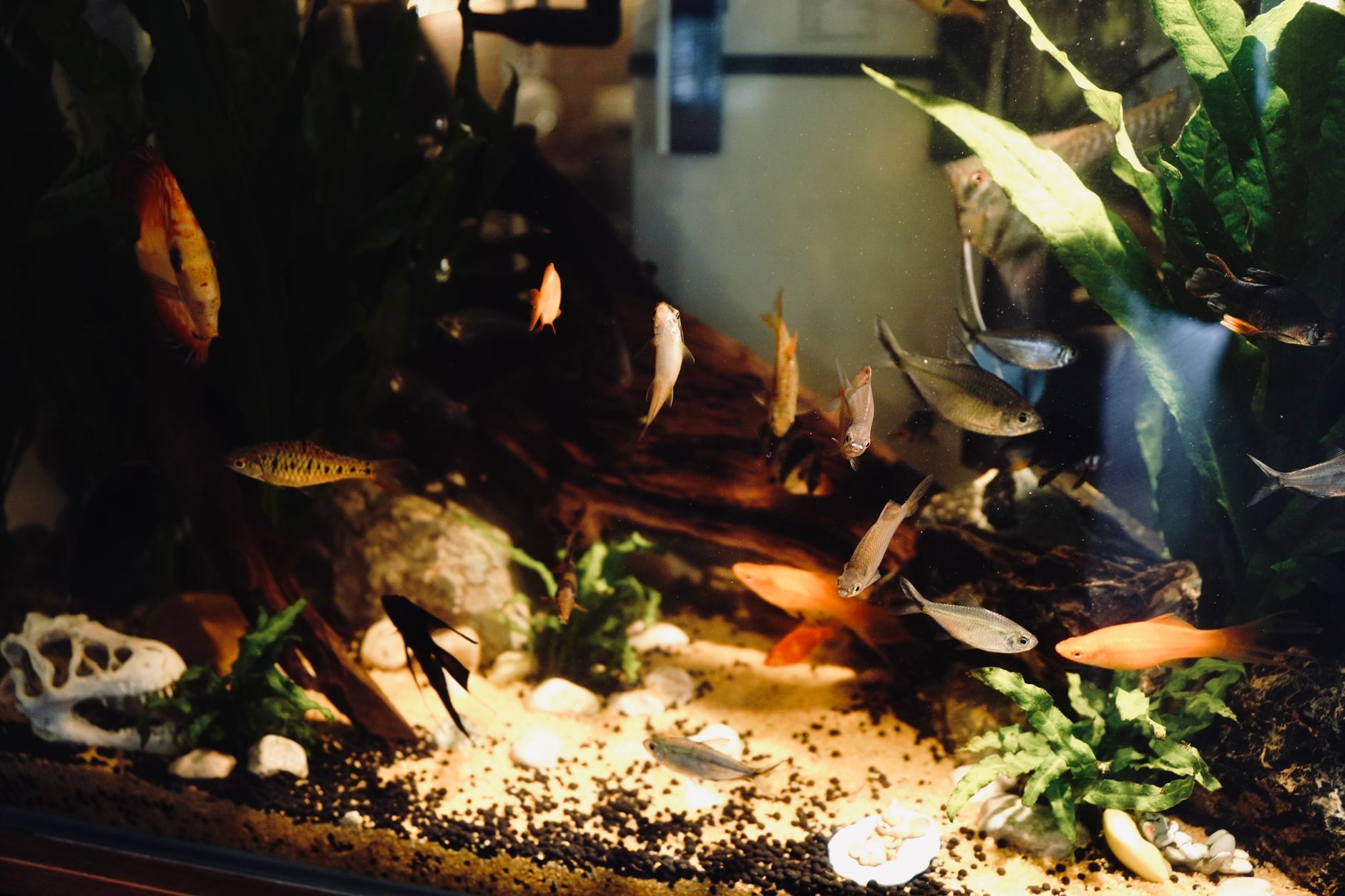
A contemporary home office setup featuring an aquarium and tech gadgets, offering inspiration for productive work environments.

African Dwarf Frog Care Guide: Tank Size, Diet, and Compatibility (2026)

Quick Answer: The African Dwarf Frog is a beginner-level freshwater fish needing at least a 10-gallon tank, 72-82°F water, and pH 6.5-7.5. African Dwarf Frogs are hardy and forgiving, making them ideal for newcomers to the hobby. 📋 Table of Contents African Dwarf Frog Overview Tank Requirements Diet & Feeding Compatibility & Tank Mates Common Health Issues African Dwarf Frog Overview The African Dwarf Frog (Hymenochirus boettgeri) is an excellent choice for newcomers to the hobby, native to Central Africa. As a freshwater carnivore, this species has earned its place as a staple in community tanks, species-only setups, and planted aquariums worldwide. The African Dwarf Frog is a peaceful species that generally coexists well with other non-aggressive fish. With proper care and appropriate water conditions, African Dwarf Frogs can live for several years and become a rewarding centerpiece — or supporting cast — of your aquarium. ...

April 25, 2026 · 5 min · Jarrod Gravison
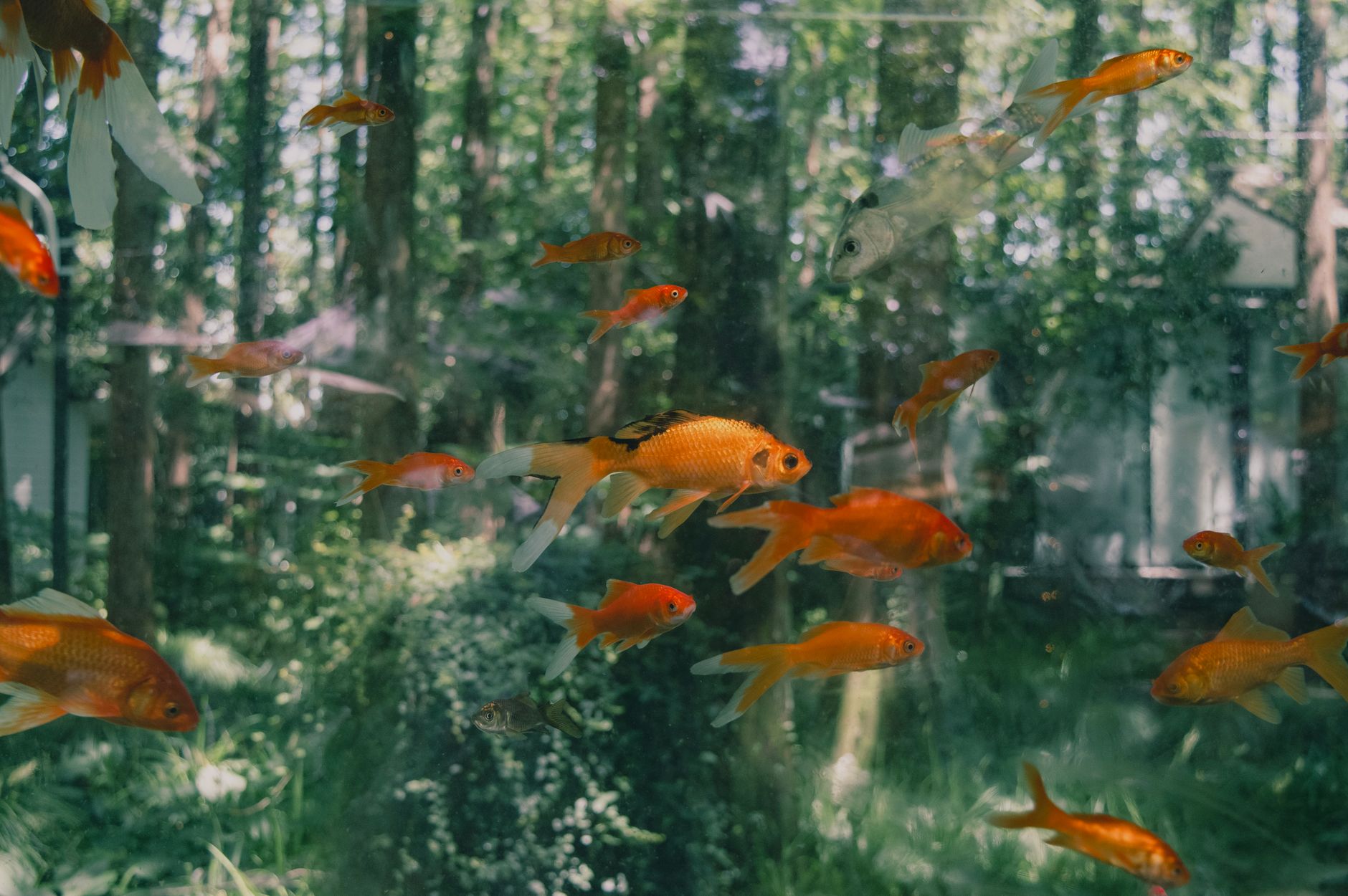
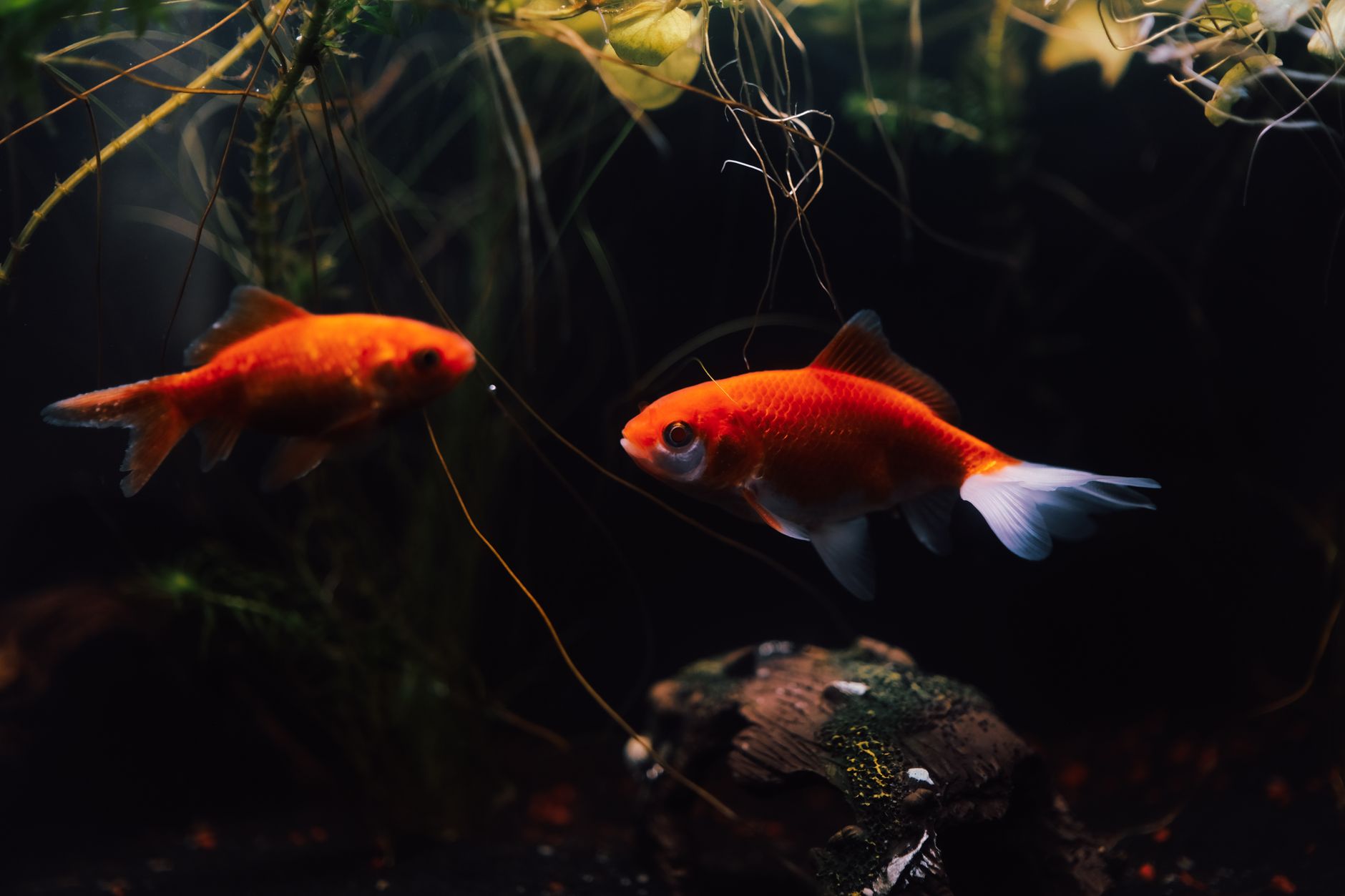
Vibrant aquarium fish swimming among lush green plants in a freshwater tank.

Aquarium & Fishkeeping Statistics 2026: 42 Key Facts, Trends & Data Points

Quick Answer: Key Takeaway The global ornamental fish market was valued at $6.41 billion in 2026 and is projected to nearly double to $12.61 billion by 2033. Around 9.6 million US households own freshwater fish, making fish the third most popular pet in America. The hobby surged during the pandemic and continues to grow — driven by aquascaping, social media, and a new generation of hobbyists investing in premium equipment. ...

April 25, 2026 · 15 min · Jarrod Gravison
Vibrant poison dart frog surrounded by lush foliage, showcasing natural rainforest beauty.

Best Aquarium Filters 2026: Complete Buyer's Guide

Quick Answer: The best aquarium filter for most setups is the AquaClear 50 (HOB, tanks up to 50 gal) or the Fluval 407 canister for tanks 50–100+ gal. For planted tanks and shrimp, the Aquarium Co-Op sponge filter provides gentle, bacteria-rich filtration. Target 4–6× tank volume per hour in flow rate. According to aquarium research, proper biological filtration is the single most important factor in fish health and water quality. ...

April 25, 2026 · 8 min · Jarrod Gravison
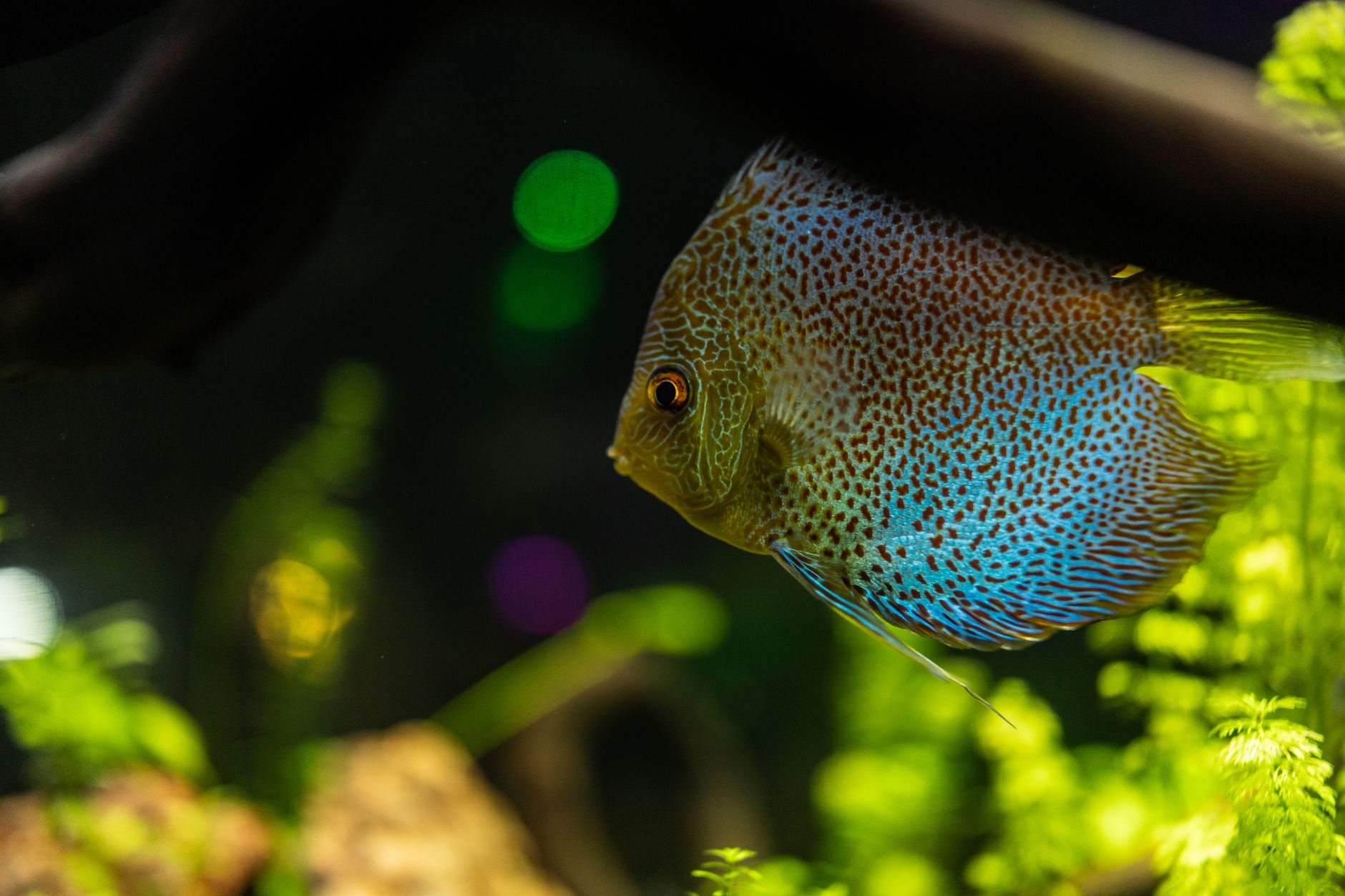
Colorful discus fish swimming amidst vibrant underwater scenery, showcasing intricate patterns and hues.

Best Aquarium Heaters 2026: Top Picks for Every Tank Size

Quick Answer: The best aquarium heater overall is the Cobalt Aquatics Neo-Therm Pro — precise to ±0.5°F, shatterproof housing, and LED display that makes it easy to verify temperature at a glance. For budget-conscious setups, the Eheim Jager TruTemp is a longtime hobby favorite known for accuracy and longevity. For large tanks, the Fluval E Series with dual sensor and color-coded alerts is the top pick. Your aquarium heater is one of the most critical — and most overlooked — pieces of equipment in your tank. A filter failure gives you warning signs. A heater failure that gets stuck in the “on” position can cook your fish overnight. A heater that slowly loses calibration may be running 6°F cold without you knowing. Stable water temperature is a cornerstone of fish health according to the AVMA. The heaters on this list are the ones hobbyists have trusted for years, not the cheapest options on Amazon with alarming 1-star reviews about dead fish. ...

April 25, 2026 · 7 min · Jarrod Gravison
Colorful tropical fish swimming in an aquarium with vivid backgrounds

Best Aquarium Lighting 2026: Top LED Lights for Fish and Planted Tanks

Quick Answer: The best aquarium light for most hobbyists is the Fluval Plant 3.0 — programmable intensity, full spectrum ideal for plants and fish colors, covers both low-tech and moderate planted tanks ($80–130). For budget planted setups, the Finnex Planted+ 24/7 HLC delivers excellent PAR at a lower price ($50–90). For fish-only tanks, the Fluval Aquasky LED is the top pick ($40–70). Aquarium lighting is where beginners consistently under-invest and then wonder why their plants are dying or their fish look dull. The lights that come bundled with beginner tank kits are usually just enough to see the fish — they’re rarely strong enough for plant growth. On the flip side, buying a high-intensity planted tank light for a fish-only setup wastes money and causes algae. This guide matches the right light to the right setup. ...

April 25, 2026 · 7 min · Jarrod Gravison
Closeup of two bright exotic clown fishes swimming underwater among blue corals in clear water

Best Beginner Fish Tanks 2026: All-in-One Kits Reviewed

Quick Answer: The best beginner fish tank overall is the Fluval Flex 15 — it includes a quality filter, light, and looks great. For budget setups under $60, the Aqueon 10-Gallon LED Kit includes everything you need. Beginners should always choose at least 10 gallons — smaller tanks are harder to maintain because water parameters swing faster. Set up your tank, cycle it for 2–4 weeks before adding fish, and start with hardy species like danios or platies. ...

April 25, 2026 · 8 min · Jarrod Gravison
Close-up of a vibrant angelfish swimming amidst lush underwater vegetation, showcasing nature's beauty.

How Often to Change Aquarium Water: Complete Guide

Quick Answer: Change 25-30% of your aquarium water weekly for most freshwater community tanks. Heavily stocked tanks may need 50% weekly; lightly stocked planted tanks might manage 20% every 2 weeks. Test nitrate weekly — if it exceeds 20 ppm between changes, increase frequency or volume. Never change more than 50% at once unless addressing an emergency. Water changes are the most important — and most neglected — part of fishkeeping. Your filter handles ammonia and nitrite, but only water changes remove nitrate, replenish minerals, and reset pH. Skip them, and your tank slowly becomes toxic. ...

April 25, 2026 · 7 min · Jarrod Gravison
Colorful discus fish swimming in a lively aquarium environment with bright lights.

How to Cycle a Fish Tank: Complete Beginner's Guide

Quick Answer: Cycling your aquarium establishes beneficial bacteria that convert toxic ammonia (from fish waste) into nitrite, then into less harmful nitrate. The safest method is fishless cycling: add pure ammonia to 2-4 ppm, wait 4-6 weeks while testing daily, and add fish only when ammonia and nitrite read 0 ppm with nitrate present. Never add fish to an uncycled tank. Cycling is the single most important step in setting up a new aquarium — and the one most beginners skip. An uncycled tank is a death sentence for fish, exposing them to toxic ammonia that burns gills and causes organ failure. A properly cycled tank, on the other hand, is a stable ecosystem where fish thrive. ...

April 25, 2026 · 7 min · Jarrod Gravison
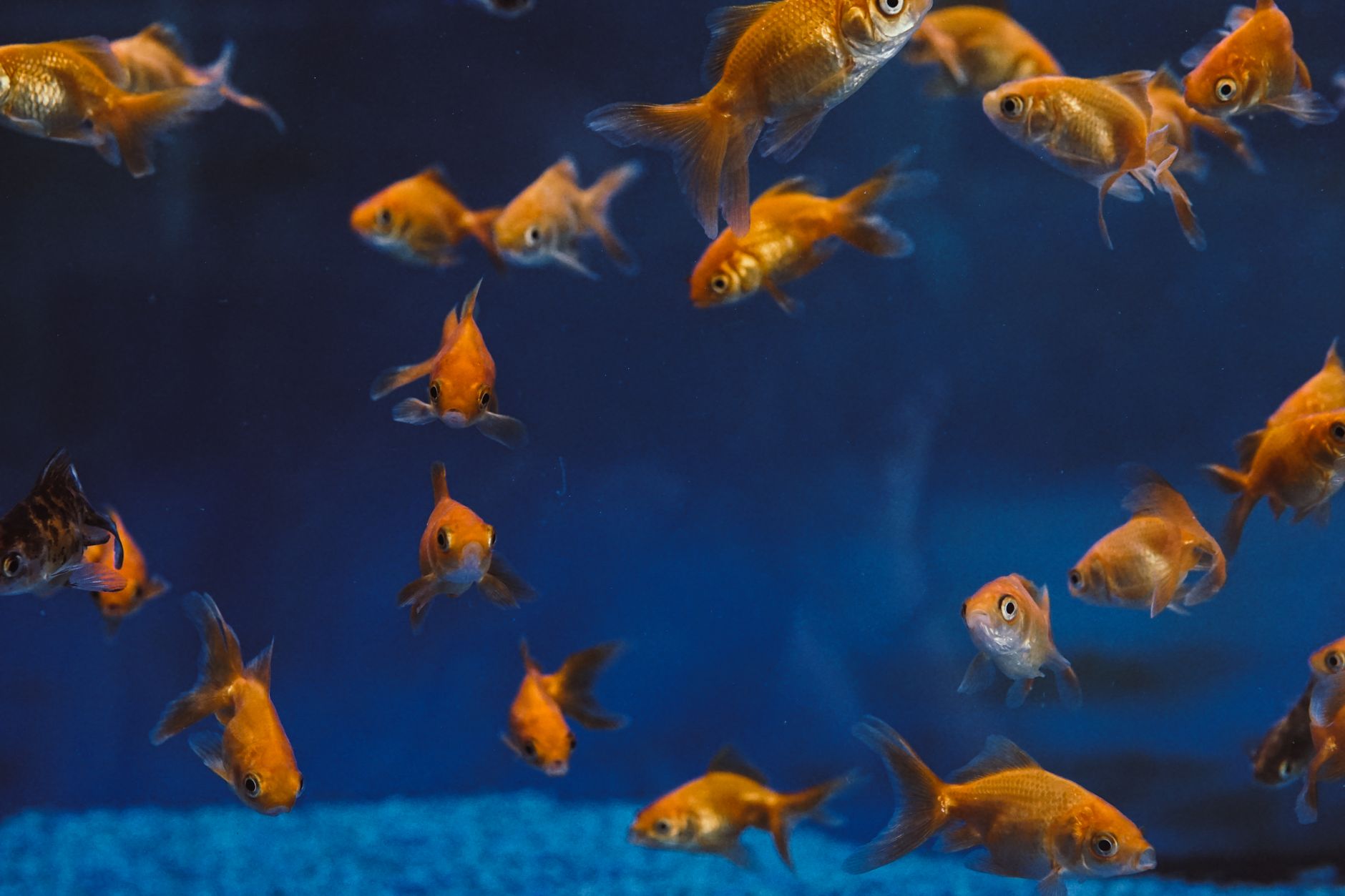
A school of vibrant yellow fish swimming gracefully underwater, showcasing aquatic life.

How to Lower pH in an Aquarium (Safe Methods That Work)

Quick Answer: The safest way to lower aquarium pH is by adding driftwood or peat moss to your filter, which release tannins and humic acids that gradually acidify the water without dangerous swings. For a permanent, reliable solution, blending RO/DI water with your tap water is the gold standard. Avoid chemical pH reducers — they cause instability. High pH is a common challenge for aquarists in areas with hard, alkaline tap water. If your water comes out of the tap at 8.0 or above and you’re trying to keep soft-water fish like discus, angelfish, or cardinal tetras, you have some work to do. But here’s the thing about pH — the goal isn’t to hit a magic number on your test kit. The goal is stable, appropriate conditions for your fish. A stable pH of 7.8 is far better for your fish than a pH that swings between 6.5 and 8.0 every week because you’re adding chemicals. ...

April 25, 2026 · 7 min · Jarrod Gravison
Close-up of a vibrant red discus fish swimming in a lush freshwater aquarium.

How to Treat Ich in an Aquarium (2026 Step-by-Step Guide)

Quick Answer: Treat ich by raising water temperature to 86°F and dosing Ich-X daily for 10 days, continuing treatment for 5–7 days after the last visible spot disappears. Best treatments: Ich-X (Hikari) — best overall, safe for scaleless fish at half dose ($8–10); API Super Ick Cure — reliable and widely available ($5–8); Heat treatment alone — 86°F for 10+ days, works without medication for some species. Woke up and noticed your fish covered in tiny white dots? Take a breath — ich is extremely common, and if you act quickly, it’s very treatable. Ich (Ichthyophthirius multifiliis) is a protozoan parasite that infects virtually every freshwater fish species. The bad news is it spreads fast and won’t go away without treatment. The good news is you caught it, you’re reading this, and you’re already ahead of most people who lose fish to ich by waiting too long. ...

April 25, 2026 · 7 min · Jarrod Gravison
A colorful clownfish swimming among its protective sea anemone in clear ocean waters.

The Aquarium Nitrogen Cycle Explained (Beginner's Guide)

Quick Answer: The nitrogen cycle is the biological process that converts toxic fish waste (ammonia) into less harmful nitrate through beneficial bacteria living in your filter. A new tank takes 4–8 weeks to cycle from scratch; using a bacterial starter culture speeds this to 2–4 weeks. You must complete the cycle before adding most fish or they’ll die from ammonia poisoning. Key stages: ammonia → nitrite (via Nitrosomonas bacteria) → nitrate (via Nitrospira bacteria). ...

April 25, 2026 · 8 min · Jarrod Gravison
A vibrant display of various fish in a well-decorated aquarium with lush green plants and clear water.

The Nitrogen Cycle Explained: How to Cycle a New Fish Tank (Complete Guide)

Quick Answer: The nitrogen cycle fish tank process converts toxic ammonia (from fish waste and uneaten food) into nitrite via Nitrosomonas bacteria, then into far less toxic nitrate via Nitrobacter bacteria. A new tank must be cycled before adding fish — typically 4–6 weeks fishless, or 2–3 weeks with a bacterial supplement like Seachem Stability or Fritz Zyme 7. Your tank is fully cycled when you test 0 ppm ammonia, 0 ppm nitrite, and measurable nitrates 24 hours after a 2–3 ppm ammonia dose. Never skip this step — it’s the single biggest cause of fish deaths in new aquariums. ...

April 25, 2026 · 9 min · Jarrod Gravison